
Venice • North Port • Wellen Park • Sarasota • Englewood • Nokomis • Port Charlotte • Punta Gorda • Bradenton
Today’s PHW Inspections Topic: GFCI vs AFCI
What is the difference between GFCI and AFCI?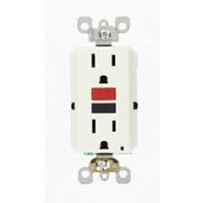
GFCI (Ground Fault Circuit Interrupter) and AFCI (Arc Fault Circuit Interrupter) are two types of electrical safety devices designed to protect against electrical shock and fires respectively.
GFCI protects against electrical shock by sensing any difference between the current flowing into and out of an electrical circuit, and tripping the circuit if it detects a ground fault. Ground faults can occur when electricity escapes the normal path of the circuit and flows through a person or an object, potentially causing injury or death. GFCIs are typically used in areas with water, such as kitchens, bathrooms, and outdoor outlets.
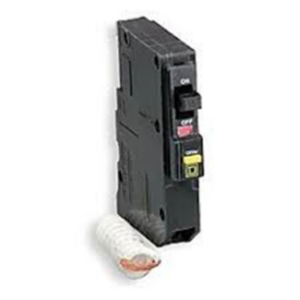 AFCI, on the other hand, protects against electrical fires by detecting arcing faults, which can occur when electricity jumps across gaps in wires, cords, or cables, creating a spark or heat that can ignite nearby combustible materials. AFCI monitors the electrical current flow and trips the circuit if it detects an arc fault, thereby preventing electrical fires. AFCIs are typically used in bedrooms, living rooms, and other areas where electrical wiring is hidden behind walls and ceilings.
The specific requirements for AFCI/GFCI protection in SW Florida will depend on the applicable building codes and regulations. Generally, the National Electrical Code (NEC) sets the minimum standards for electrical safety in the United States.
According to recent editions of the National Electrical Code (NEC)—as adopted into the Florida Building Code in your jurisdiction—AFCI protection has expanded well beyond bedrooms for many 15- and 20-amp dwelling branch circuits, while GFCI protection is required for receptacles in wet or damp locations such as bathrooms, kitchens (countertop), outdoors, garages, unfinished basements/crawl spaces, and near sinks. Exact locations and exceptions depend on the code edition your home was built or remodeled under, and on local amendments.
A home inspection under the FABI Standards of Practice observes the presence and operation of GFCI/AFCI devices where required by the SoP; it is not a code-compliance certification. Related reading: GFCI Protection.
It is important to note that local codes and regulations may vary, and it is always recommended to consult with a licensed electrician or building inspector to determine the specific requirements for your location.
In summary, while both AFCIs and GFCIs are important safety devices, they have different functions. AFCIs are intended to address fire hazards; GFCIs address shock hazards. Combination devices include both AFCI and GFCI protection in one unit.
Be sure to have a qualified electrician install AFCIs; do not attempt this work yourself. The installation sometimes involves working within electrical panel boxes that are electrically live, even with the main circuit breakers turned off.

